



In Brazil, the official language is Portuguese. It is more common to find people who speak English, followed by Spanish. In some regions, due to colonial heritage, German, other European languages, and even Japanese are also spoken. Tour guides and receptive services that speak English or Spanish are available in many areas. Still, having a translator on your phone can be a great help, in addition to learning some key words in Portuguese to ease communication.
The vaccine against yellow fever is recommended for the entire Brazilian territory. In addition, some vaccines may be required for internal travel to certain states, such as Tetanus, Diphtheria, Hepatitis A, Hepatitis B, and MMR (Measles, Mumps, and Rubella). To avoid unforeseen events, keep your vaccination schedule up to date. Since March 2023, Brazil no longer requires negative tests or proof of vaccination against COVID-19.
The Brazilian tourist visa can be valid for up to 5 years, allowing stays of up to 90 days, which can be extended for a maximum total of 180 days per year. It is necessary to pay a fee, the amount of which varies according to the type of visa requested and the length of stay in the country. Brazil requires a visa only from citizens of countries that also require visas from Brazilians. Most countries in Latin America and Europe do not need a visa to enter Brazil. However, travelers from countries like the United States, Australia, and Canada must apply for the visa before their arrival.
For further information and to apply for a visa, please visit the official link.
https://www.gov.br/pt-br/servicos/obter-visto-para-viajar-ao-brasil
Estimates of the average prices of round-trip airline tickets in economy class to São Paulo/Guarulhos International Airport (GRU), departing from the following international destinations. The values are approximate and may vary depending on the time of year, promotions, and the advance purchase (updated in December 2024):
Santiago – US$400
Buenos Aires – US$200
Miami – US$700
New York – US$900
Los Angeles – US$800
Frankfurt – US$1.200
Paris – US$1.000
Madrid – US$900
Londres – US$ 915
Sydney – US$ 1.690
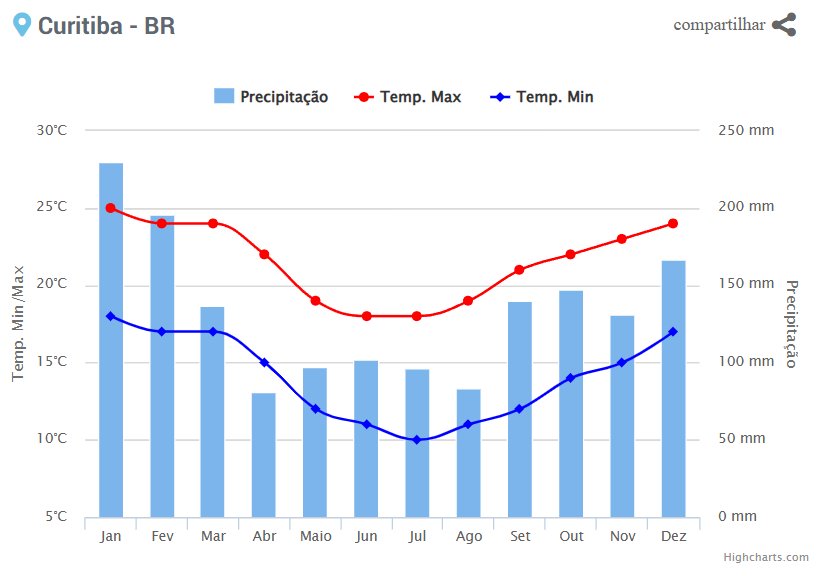
Summer (December to March)
With higher temperatures, summer is characterized by quick and intense rains throughout the day. It is the ideal season to enjoy water activities, explore waterfalls, and relax on the beaches. It’s worth preparing to deal with the presence of mosquitoes.
Winter (June to September)
Winter brings mild temperatures, which can be quite cold in the mountainous regions. The weather is drier and more stable, with fewer mosquitoes, making the season perfect for mountaineering, hiking, and boating.
Autumn (March to June)
With gradually lower temperatures and stable weather, it is still possible to engage in water sports like rafting and canoeing in autumn. This is when the mountaineering season begins.
Spring (September to December)
During spring, temperatures begin to rise and rainfall becomes more frequent. It’s the perfect time for wildlife observation when nature is in full swing.
Attention on the Roads:
The main highways in the region, such as São Paulo-Curitiba, Curitiba-Paranaguá, and Curitiba-Joinville, are widely used by heavy trucks. Therefore, when traveling by car, pay extra attention and maintain a defensive driving style. During the rainy season, be aware of the road conditions, as closures may occur due to landslides or flooding.
Health and Well-Being:
In summer, the presence of mosquitoes increases. Protect yourself against diseases such as dengue and yellow fever by using insect repellents, wearing appropriate clothing, and if possible, getting vaccinated before the trip.
Safety in Cities:
The small towns of the Great Reserve are known for their safety and welcoming, almost familial atmosphere. However, it is always wise to take precautions:
With these tips, you will be able to enjoy your trip with more peace of mind and safety.
The official currency of Brazil is the Real (BRL). Most businesses and services accept credit and debit cards from major international brands, providing greater convenience for travelers. Even so, it is always good to have some cash for small expenses, especially in rural areas or smaller towns, where the use of cards may be more limited.
In these cases, the only accepted currency is the Real (BRL).
Before traveling, check the exchange rates and any possible additional fees for transactions abroad if you use a card.
Approximate values (per person):
Hotel US$50
Hostels US$20
Meals in tourist locations US$15
In the central areas of the municipalities of the Atlantic Forest Great Reserve, cell phone signal is generally reliable, and most establishments offer Wi-Fi to their visitors.
However, in natural parks and more remote locations, the connection can be quite limited or even non-existent.
To ensure a smooth and trouble-free trip, especially if you are exploring the region by car, it is recommended to download the desired maps and routes in advance for offline use.
Car
Renting a car directly at the airport is one of the most practical and efficient ways to explore the area. The main highways are well paved and signposted, but some accesses to parks and natural areas may present difficulties, especially during rainy periods. It is recommended to choose a comfortable vehicle and, if possible, check locally the road conditions for the desired destination. On some routes, 4×4 vehicles are necessary, making the journey part of the adventure.
Estimated distance: São Paulo to Joinville – 520 km (~7h).
Bus
Bus lines connect the main cities to the smaller towns in the region. It is important to check the schedules and make reservations in advance, often available online. Upon arriving at your destination, contact your accommodation to check the local transportation options, such as taxis or vans.
Bicycle
Although it is not recommended as the main means of transportation due to the long distances and road conditions, the bicycle is ideal for enjoying the various Cycling Tourism Circuits in the region, which provide a unique experience of contact with nature.
Motorhomes
The use of motorhomes has been gaining popularity in Brazil, and the Great Reserve already has some locations equipped to welcome them. However, along the major highways, the available stopping points are generally gas stations shared with trucks. Plan your route and stops carefully to ensure a smooth trip.
Explore the region with the means of transportation that best meets your needs and make the most of the natural beauties of the Great Reserve!
Consider consulting specialized agencies in accessible tourism to obtain detailed support.
The Atlantic Forest GreatReserve is committed to continuously improving its accessibility conditions, allowing each visitor to experience unforgettable moments amidst the rich biodiversity and natural beauty of the region.
For questions, suggestions, and complaints, please contact us by email. qualidadegrandemataatlantica@gmail.com
