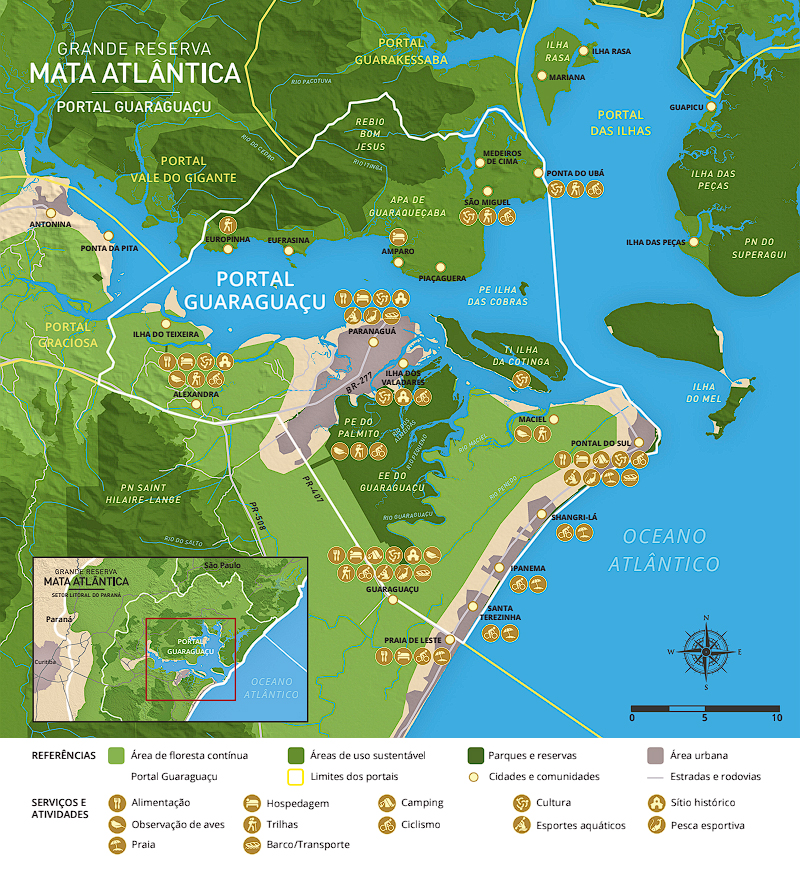
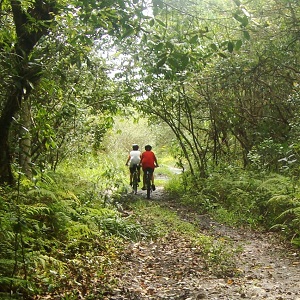
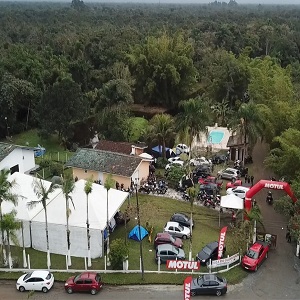
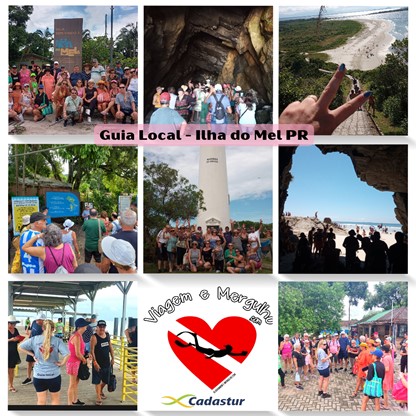
The Guaraguaçu Portal bears witness to where the bay meets the sea. It is named after the territory’s largest lowland river, which serves as the border between the municipalities of Paranaguá and Pontal do Paraná. Along its course, in addition to various services offered by the community, the Ecological Road leads to the Sambaquis do Guaraguaçu archaeological site—the largest on the Paraná coast and the only one listed as a National Historical and Artistic Heritage site—and its lime kiln (forno de caieiras), where shells were burned to be used in construction. The sambaqui (shell mound) is located within the Sambaqui Indigenous Land, just a few meters from the Karaguatá Poty Village. Meanwhile, Paranaguá Bay is home to the Ilha da Cotinga Indigenous Land, where rituals are still performed in the opy (prayer house).
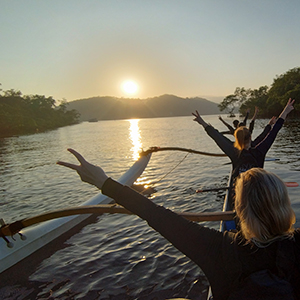
The city of Paranaguá preserves much of its original architecture, and a walk through the historic center is a must. A short boat trip can take visitors to several traditional caiçara communities on the other side of the bay.
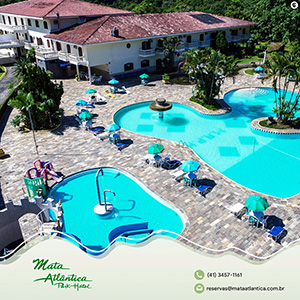
The beaches of Pontal do Paraná are a popular destination, with many seaside resorts offering good infrastructure for visitors. In the Shangri-lá beach district lies the Guaviratã Indigenous Village, where Indigenous artisans are recognized for crafts that depict native animals.