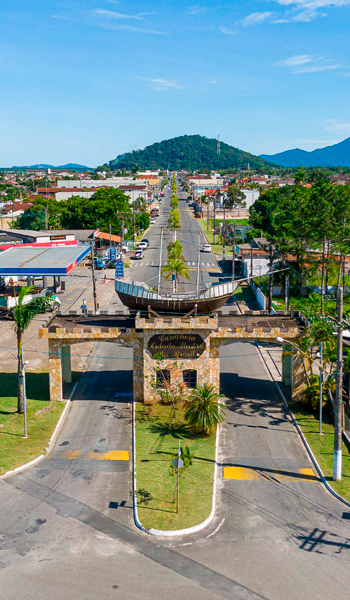
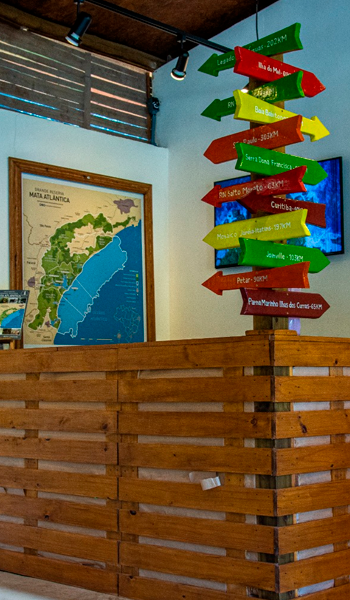
Tijucas do Sul had its beginnings in the decades following the discovery of Brazil. The region served as a direct connection point between Curitiba and São Francisco do Sul via the so-called Caminho dos Ambrósios. Still in the 19th century, Tijucas do Sul was the stage for the Federalist Revolution of 1893, considered the most violent civil war in Brazil. The battles in the Village of Tijucas do Sul lasted about eight days and, together with the resistance in the city of Lapa, were decisive for the victory of the legalists and the consolidation of the newly established Republic.
Political-administrative emancipation occurred in 1951 with the creation of the municipality of Tijucas do Sul. The municipality’s name was given due to the existence of muddy areas formed by black clay, which local indigenous people called tijuca. With approximately 16,000 inhabitants, its economy is based on agriculture and livestock, highlighting the production of corn, potatoes, soybeans, beans, organic farming, mushrooms, and strawberries, as well as the extraction of clay, kaolin, timber, and yerba mate. Industrialization, although incipient, is gradually taking shape in the municipality.
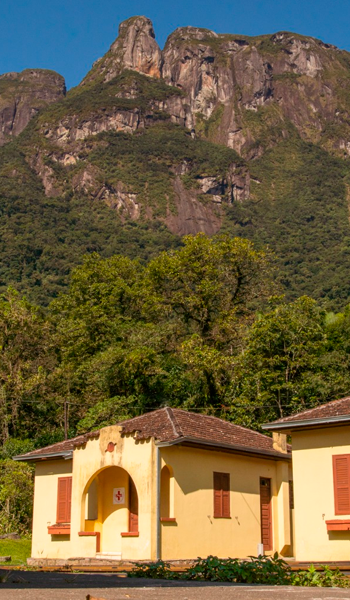
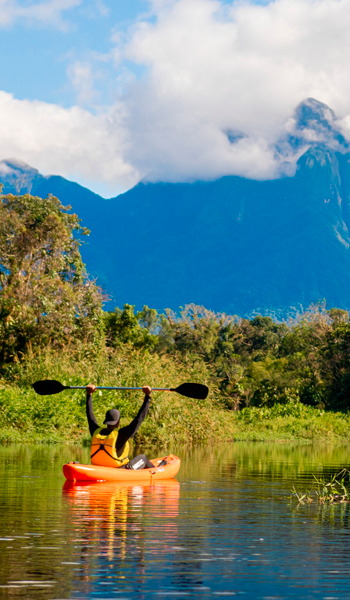
The great beauty of the region—with the headwaters of the Negro and Várzea rivers, the existence of several waterfalls, mountains, valleys, and dams, along with the subtropical climate and landscape—promotes the breeding of various horse breeds and favors rural and ecological tourism.