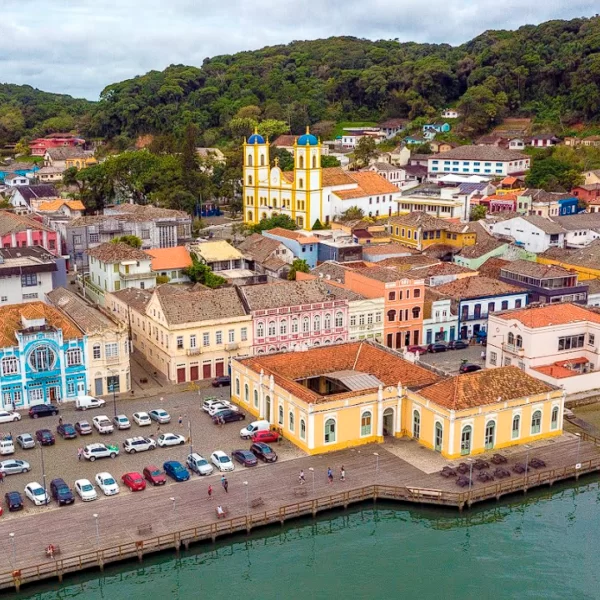
The Brazilian people have their roots deeply connected to the Atlantic Forest. People from all corners of the world came here and, within the forests, made their dwelling. They made this biome their home. One of the greatest prides of being Brazilian is precisely being multiple, being a bit of every ancestor.
And it was in this diverse environment that many found opportunities and the country developed.
A people, however, is not complete if it does not preserve its roots, if it does not know where it came from and what influences brought it to where it is today. Keeping alive and valuing the cultural expressions that represent and unite us is a commitment of everyone.
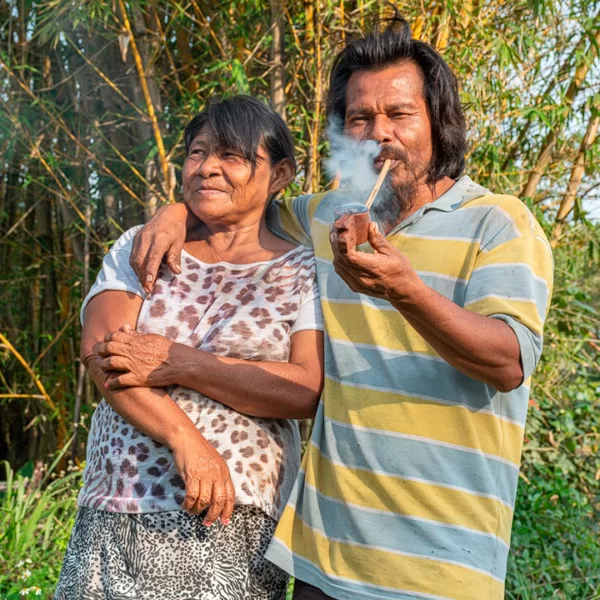
Indigenous communities, such as the Guaranis and the Kaingangs, hold ancestral knowledge and know this territory better than anyone, as they had been coexisting with this environment long before the colonizers arrived. Furthermore, these peoples still know how to listen to the sounds of nature, which many have stopped hearing.
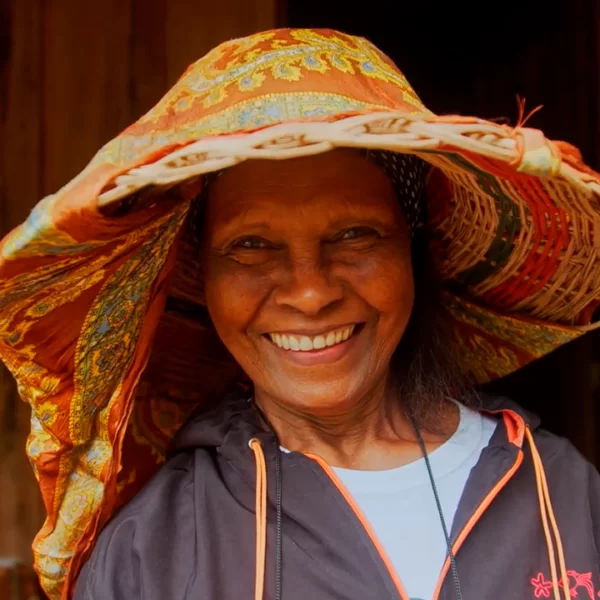
But this intimate relationship with the environment is also part of the daily lives of communities that bring influences from other corners of the world. The caiçaras are the descendants of blacks, Europeans, and indigenous people, inhabitants of the Brazilian coast and great connoisseurs of the seas, bays, restinga, and mangroves.
The quilombola communities are a part of the brother continent, Africa, and even today they maintain their traditions of close contact with nature and exceptional land cultivation in systems that overflow with harmony.
Finally, there are still the colonies, groups that arrived in Brazil more recently and that still keep their traditions alive.
There are many countries represented, including the Portuguese, Italians, Spaniards, Germans, Japanese, Poles, Ukrainians, Arabs, and many others.
The Atlantic Forest Great Reserve still preserves a large part of this cultural diversity and this is one of the pillars that transforms this region into one of the most special in the world. Knowing this place is also diving deep into the origins of Brazil.
Welcome to the largest continuous remnant of Atlantic Forest on the planet